Application ScopeMetal Curtain WallsIn metal curtain wall installations, these screws help secure metal panels to their supporting framework. Their self-drilling design enables quick, precise
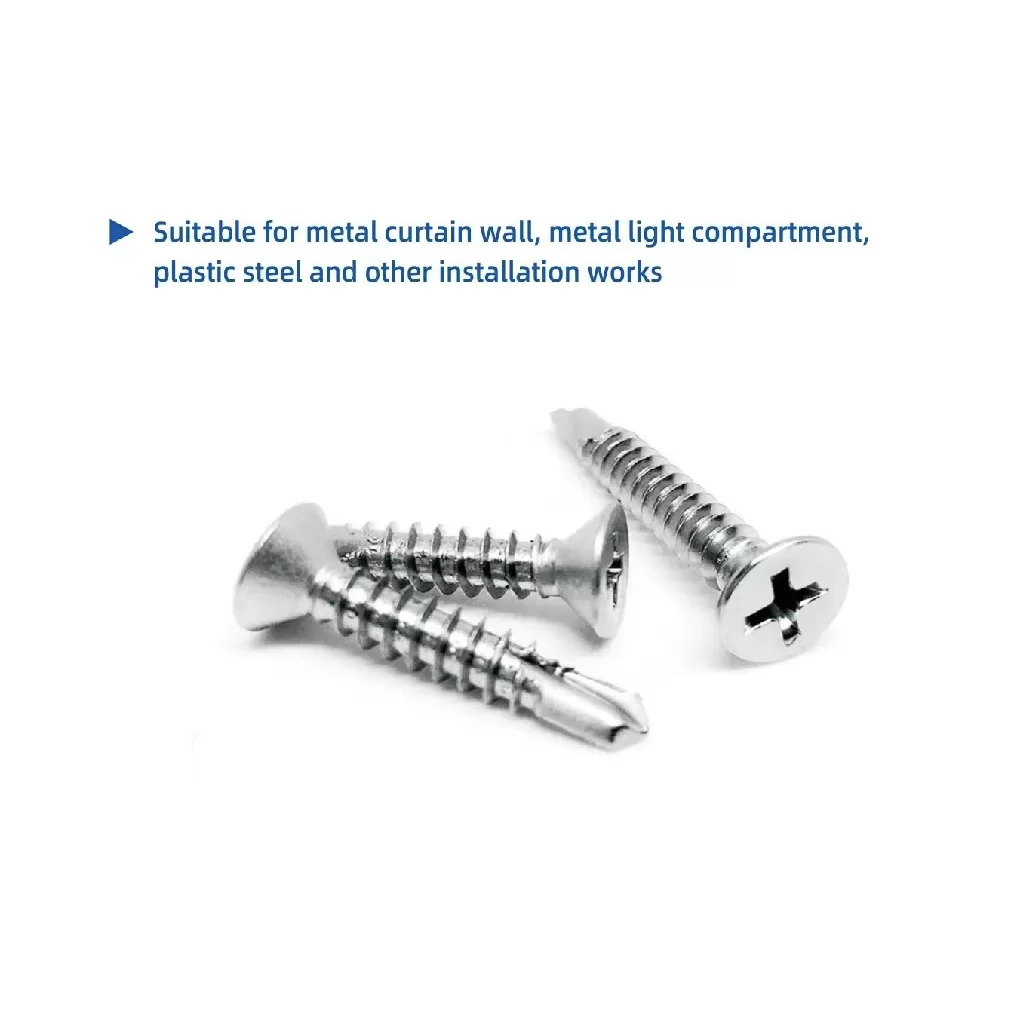
Application ScopeMetal Curtain WallsIn metal curtain wall installations, these screws help secure metal panels to their supporting framework. Their self-drilling design enables quick, precise
Application Scope
Metal Curtain Walls
In metal curtain wall installations, these screws help secure metal panels to their supporting framework. Their self-drilling design enables quick, precise penetration of metal surfaces without pre-drilling, helping to save installation time and create a secure connection. The screws can withstand external forces on curtain walls, including wind loads and seismic forces, helping preserve the structural integrity of the system over time.
They are suitable for a range of metal curtain wall designs, from high-rise buildings with complex geometries to simpler low-rise structures. Consistent holding power helps keep panels firmly in place, supporting both the appearance and function of the building facade.
Metal Light Compartments
These screws are also a suitable fastening option for metal light compartments used in interior partitions or temporary building structures. Such compartments often need to be assembled and disassembled easily while remaining stable. The screws quickly fasten metal components, including partition walls and ceiling panels, and create a strong bond that helps the compartments withstand regular use and minor impacts.
When metal light compartments need frequent reconfiguration, the screws can be removed and reused without causing significant damage to metal surfaces. This reusability can make them a cost-effective choice for projects that require flexible space design.
Plastic Steel Installations
For plastic steel installations, including the assembly of doors, windows, and frames, these screws provide a reliable connection. Plastic steel has different mechanical properties from metal, and the screws are designed to suit those characteristics. They drill smoothly into plastic steel surfaces to create a close-fitting, secure fastening.
For example, in plastic steel window frames, the screws fasten frame components together and attach the frame to the building structure. This secure connection helps keep plastic steel windows and doors stable when exposed to environmental conditions such as temperature changes and wind pressure.
Product Features
Self - Drilling Design
The self-drilling design is a defining feature of these screws. The engineered tip functions as a drill bit and can penetrate metal, plastic steel, and other relevant materials. This removes the need for separate drilling equipment and streamlines installation. The self-drilling action also creates a hole sized for the screw, helping achieve an accurate, secure connection.
During installation, the self-drilling feature can help reduce the risk of material damage. Compared with traditional drilling, which may create metal burrs or cracks in plastic steel, these screws can help produce a cleaner, more professional finish.
Material and Strength
These screws are typically made from high-quality steel alloys selected for strength and corrosion resistance. Processing steps such as heat treatment and surface coating help improve durability. In metal curtain wall applications where screws are exposed to the elements, corrosion-resistant properties support long-term performance.
The screws are designed to bear the loads associated with their intended applications. In metal curtain walls, they support the weight of the panels and resist wind-induced forces. In plastic steel installations, they provide the holding power needed to keep components securely fastened.
Head and Drive Design
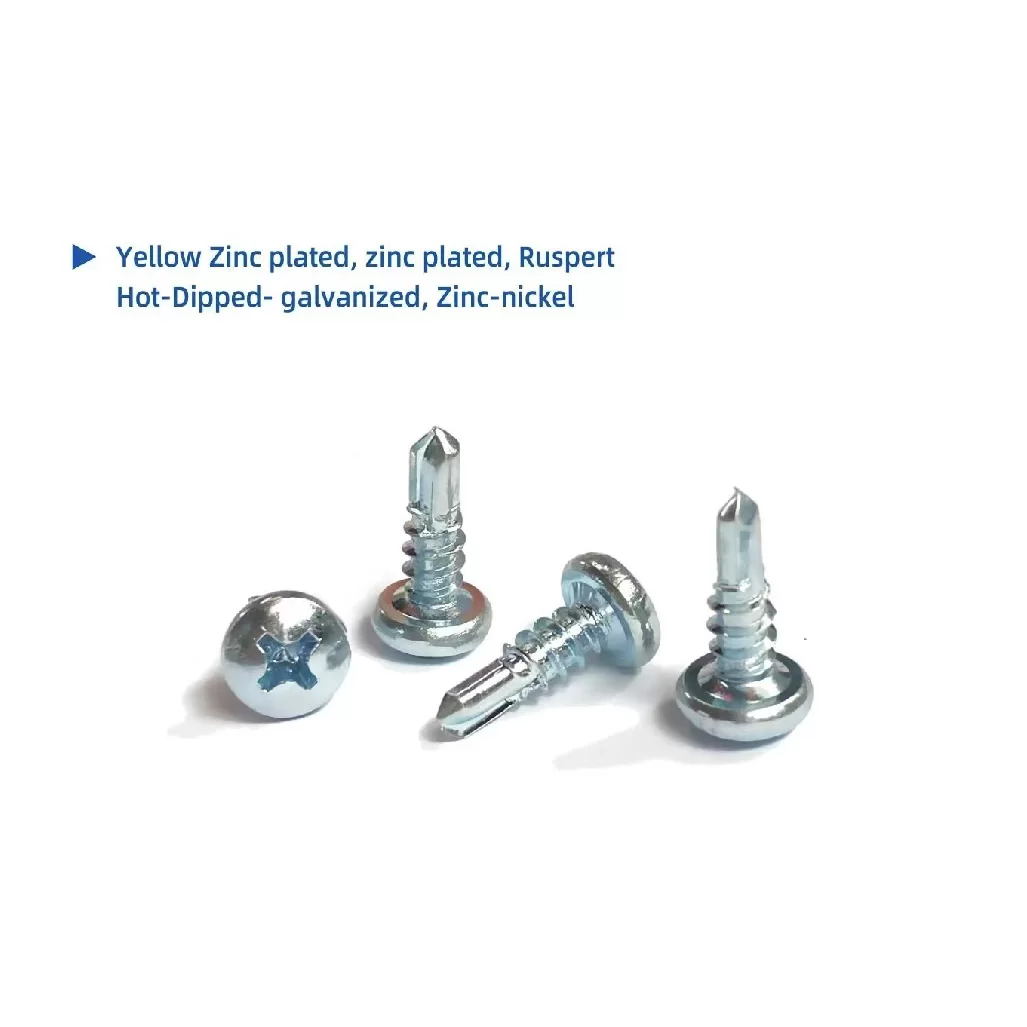
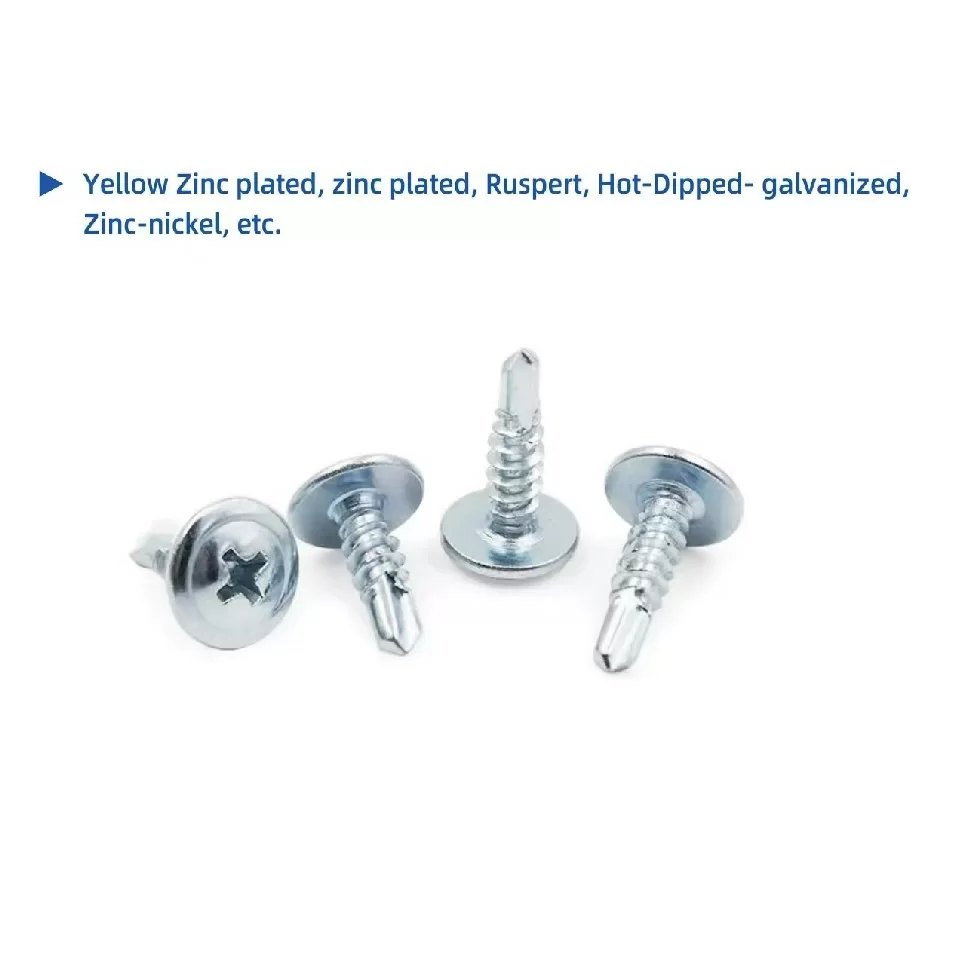
The screws may have a recessed head, such as a cross-head design, as shown in the image. This allows them to be driven with common screwdriver bits or power tools. The recessed head can sit flush with or below the surface of the material, creating a neat finish.
The drive system is designed to help prevent cam-out, or the driver bit slipping from the screw head. This allows the installer to apply sufficient torque for secure fastening. It is particularly useful where a high-strength connection is required, as it supports proper tightening while helping avoid damage to the screw or material.
Installation Process
Preparation
Before installation, make sure the surfaces to be fastened are clean and free of debris. On metal surfaces, remove any rust or paint from the screw installation area to support proper adhesion. For plastic steel surfaces, clean with a mild detergent to remove dirt and grease.
Choose a screwdriver bit or power tool attachment that matches the screw’s drive system. A proper fit helps ensure efficient installation.
Installation Steps
Position the screw at the desired point on the material. For metal curtain walls, align the panel with the framework and mark the screw locations as needed.
With a power tool or manual screwdriver, apply pressure and begin turning the screw. Its self-drilling tip will start to penetrate the material. Continue applying steady pressure as the screw advances until it is fully fastened and the head sits flush with the surface.
When installing multiple screws, use a consistent pattern to help distribute the load evenly. For example, on a metal curtain wall panel, place screws along the edges and at regular intervals to provide uniform support.
Post - installation Check
After installation, visually check that the screws are secure and that the material surfaces have not been damaged. For metal curtain walls, look for loose screws or panel misalignment. For plastic steel installations, confirm that doors and windows operate smoothly without binding, which may indicate incorrect screw fastening.
For projects where structural integrity is critical, such as high-rise metal curtain walls, additional tests may be performed. Torque testing, for example, can help confirm that screws have been tightened to the required specifications.
Quality Assurance
Manufacturing Standards
These screws are manufactured in accordance with industry-recognized standards. Production includes quality control measures from raw material inspection through final product testing. Each batch is tested for dimensions, strength, and corrosion resistance to help ensure consistency and reliability.
Compliance with standards such as ISO (International Organization for Standardization), or relevant national building and construction standards, helps ensure the screws meet safety and performance requirements for their intended applications.
Warranty and Support
Manufacturers typically offer a warranty covering defects in materials and workmanship. If an issue occurs during the warranty period, such as screw breakage or corrosion beyond normal expectations, the manufacturer may provide support, including replacement of defective products.
Technical support may also be available for installation questions, product selection, and troubleshooting. This assistance helps customers use the screws effectively in their projects and minimize downtime and potential issues.
In summary, these self-drilling screws are versatile fasteners for metal curtain wall, metal light compartment, plastic steel, and other installation work. Their self-drilling design, robust material properties, and reliable performance make them a useful component in modern construction and installation projects.
Tell us the size, material and quantity you need. Our engineers will reply within 24 hours.