Answers to the questions buyers ask us most often about materials, coatings, tool compatibility and the difference between fastener types.
What types of hardware hinges are available?
We offer a wide range of hinges, including concealed hinges, soft-close hinges and heavy-duty hinges for doors, cabinets and furniture.
Why choose stainless steel threaded nails over common nails?
Stainless steel threaded nails provide better rust resistance and a stronger grip thanks to their threaded design, which makes them suitable for humid or outdoor applications.
What is the difference between tapping screws and self-drilling screws?
Tapping screws need a pilot hole in harder materials, while self-drilling screws have a drill-shaped tip that removes the need for pre-drilling.
What makes drywall screws different from regular screws?
Drywall screws have a bugle-shaped head that prevents the board surface from tearing, and fine or coarse threads for better grip in wood or metal.
Are shooting nails different from regular nails?
Yes. Shooting nails are made specifically for pneumatic or gas-powered nail guns, which allows faster installation and stronger fixing in concrete, masonry and steel.
What factors most affect the construction nails price?
The main drivers are material grade (for example Class 6 steel compared with stainless steel), surface treatment (zinc-flake compared with galvanized) and the precision of head and shank dimensions required for tool compatibility.
Are gas shooting nails more cost-effective than standard concrete nails?
Yes, from a total cost point of view. The unit price is higher, but they can reduce labour costs by up to 60% and shorten project timelines by around 30% because of much faster installation.
When should I choose zinc-flake coating instead of standard galvanization?
Choose zinc-flake for high-moisture or outdoor projects. It offers significantly higher corrosion resistance, extends fastener life and reduces maintenance costs.
Popular Products

Threeinone Connector Eccentric Wheel China Factory Suppliers
Household Hardware
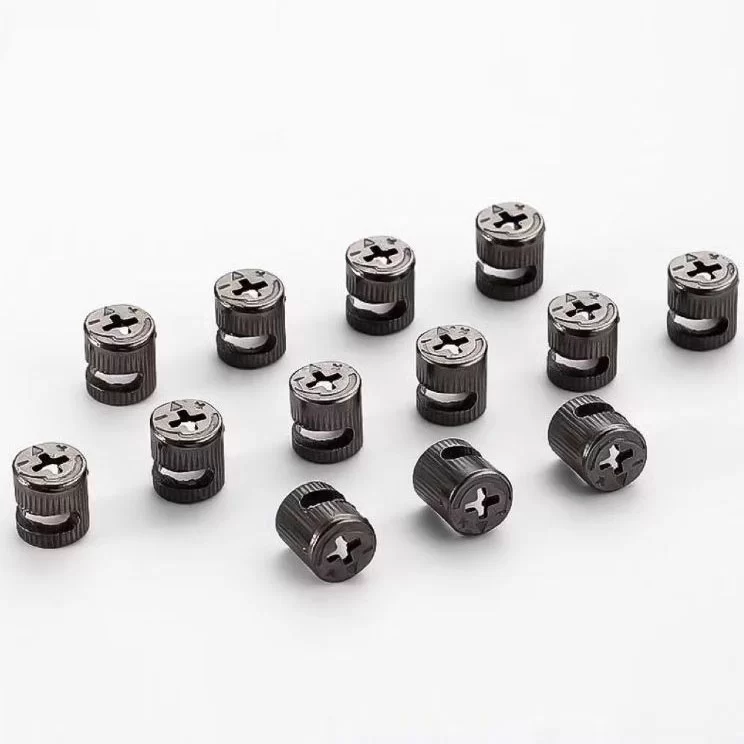
Three In One Connector Eccentric Wheel
Household Hardware